The first day has one job: end without damage. The first weeks have a different one — converting a raw ending into a livable routine.
What to do after a breakup is, once the first day is behind you, mostly maintenance rather than insight: contact policy, logistics, the people close to you, and the evenings. Almost everything on this page is boring on purpose; boring is what works while the ground is moving.
What should I do in the first week after a breakup?
Keep it logistical, in this order: make the mute permanent, return the things, tell your people, fill the calendar, and guard the body.
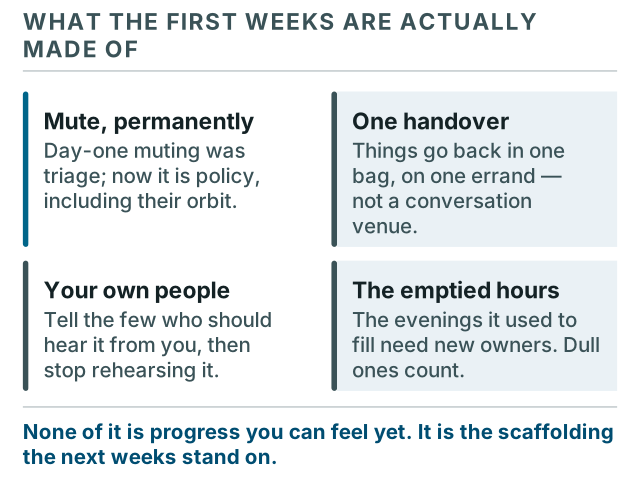
Make the mute permanent. Day-one muting was triage; now it becomes policy — them, their orbit, the places their name surfaces. Whether it hardens into blocking is a practical dial, not a moral one: block if muting is not holding.
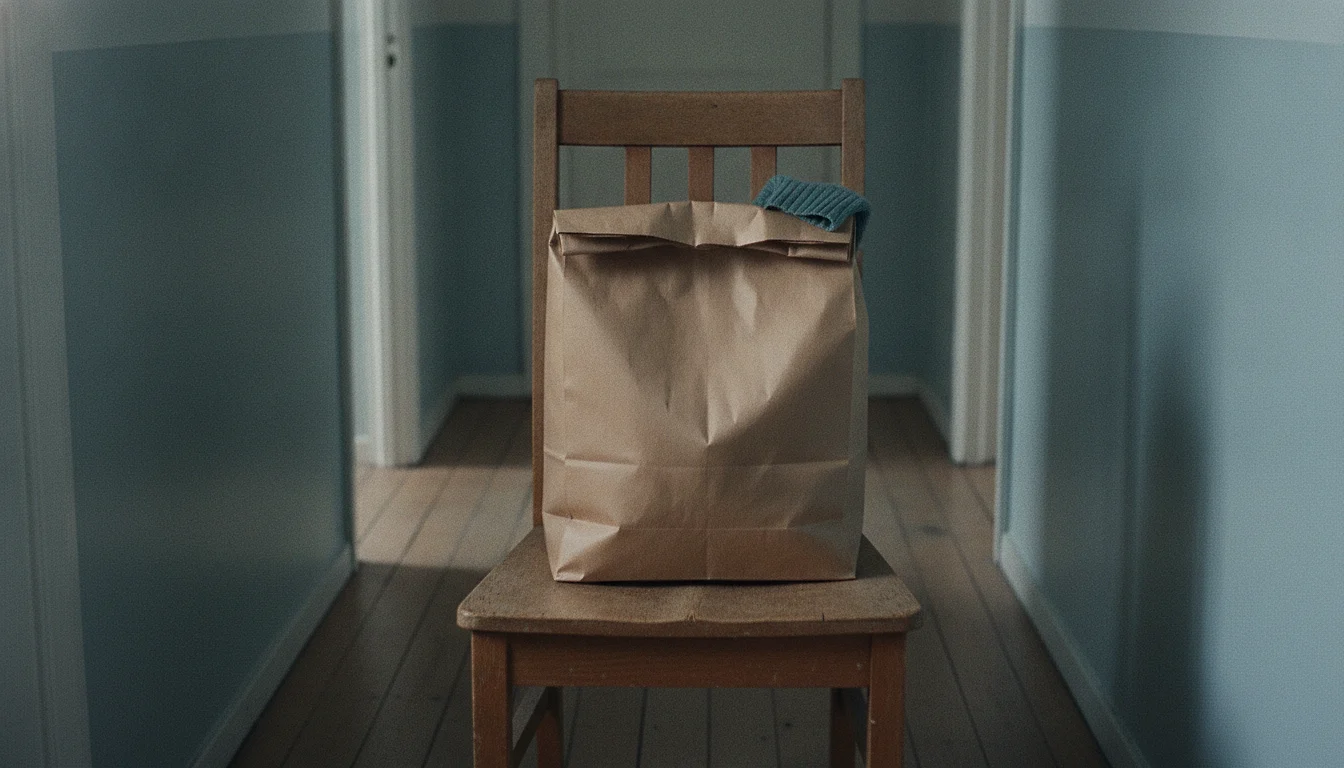
Return the things, once and boringly. One box, one exchange, soon. A friend involved, or a doorstep drop, keeps it an errand instead of an episode. For instance, a bag left with a neighbour and a short message saying when it will be there does the entire job without a scene. The handover is not a conversation venue — the conversation it invites is the one you already had.
Tell your people in plain words. One sentence you can say without rehearsing, deployed as needed: we broke up, it’s recent, I’d rather not do the details yet. The inner circle gets more when you choose to give it. There is no announcement debt to anyone else.
Fill the calendar before the evenings arrive. The empty evening is the main habitat of the missing, and willpower at eight is worthless. Plans made on Sunday beat courage summoned nightly: standing arrangements, other people, anything with a start time, such as a weekly class, a booked table, or a friend who is expecting you.
Guard the body. Sleep, food, daylight, movement. Heartbreak is partly physiological, and every one of these you skip multiplies the rest. That a lost relationship registers in the body at all is the premise of the attachment tradition in psychology — Hazan and Shaver’s Romantic love conceptualized as an attachment process sets out the case for reading adult love in those terms.
Should I make big changes after a breakup?
Not in the first weeks — nothing irreversible while the ground is still moving.
The list of urges is familiar: the flat question, the mutual-friends diplomacy, the announcement to the wider world, quitting, moving, deleting years of photos, transformations of the head-shaving genre. The impulse behind them is real, and it is the same impulse in each case: making the outside match the inside. The versions of those decisions taken later are consistently better than the week-one versions, and the ones that still matter later were real; the rest were weather.
Where you genuinely can, split the practical decisions from the crisis — the housing question answered in a calm week is a different question from the one answered in this one.
Why do I keep wanting to explain my side?
Because an ending without a verdict feels unfinished, and explaining feels like the missing paperwork.
The analysis — what it meant, whose fault, what you should have seen — will offer to run every night, and its first-week output is garbage anyway: conclusions drawn inside the blast radius mostly do not survive the month. The retelling has the same problem. Each round re-runs a trial with no judge in the room, and the case notes get longer without getting truer. Tell your people once, in plain words, then let the version rest until you can look at it from further away.
How do I handle social media after a breakup?
Mute them and their orbit, post nothing about the ending, and treat the feed as contact — because it is.
The performance trap is the urge to be seen thriving: the strategic story, the conspicuously great night out, the new-and-improved rollout. Its audience is one person, both of you know it, and it converts your actual recovery into a broadcast for the exact person you are trying to unhook from. Live the first weeks off-feed. The people who need to know, know.
If you were the one who left
Same programme, two additions. The urge to check on them — are you okay — is mostly a request for absolution, and it reopens both wounds; the kind version is the clean silence. And guilt will masquerade as doubt: maybe it was a mistake said by guilt sounds exactly like it said by love. Do not re-decide anything inside the first weeks; a decision that was right will still be right in a month, and one that was wrong deserves a steadier judge than this one.
Where this page stops
Bad weeks are the expected shape here. The border, again, plainly: weeks without sleep or appetite, nothing lifting even briefly, or dark thoughts — that is a health question with a person for it, and going is not an admission of anything. If the relationship involved fear or control, the leaving itself may need support beyond logistics — a professional or a safety resource, not a checklist.
From here: the contact question, settled as policy, and what actually shortens the rest.